

Homeowners insurance will often cover your recreational vehicle while it sits on your property, but that coverage stops the moment you take it out for a ride. If you're actually using it, you need a dedicated policy.

Not all recreational vehicles need the same type of insurance, and the most important factor is whether yours moves under its own power or is towed.
Motorized RVs: Class A, B, and C motorhomes, camper vans, and similar self-propelled vehicles require their own auto insurance policy, just like a car. Third-party liability is mandatory in every Canadian province before you can legally take one on the road.
Non-motorized RVs: Travel trailers, fifth wheels, tent trailers, and pop-up campers, don't technically require their own insurance policy since they're towed by an insured vehicle. That said, they're still exposed to theft, weather damage, and other risks, and most owners choose to insure them separately for that reason.
Not sure which category applies to your vehicle? An InsureLine broker can help you figure out exactly what coverage you need and what's legally required in your province.

.png)
Most Canadian RV insurance policies extend coverage into the United States,
But coverage typically does not extend to Mexico. If you're planning to cross the border, it's worth confirming your policy's territorial limits before you go — and whether any adjustments need to be made for an extended trip south.
If you're renting an RV in another province or the US, check with your broker about whether your existing policy extends to a rental unit, which could save you from purchasing coverage through the rental agency.

Planning a cross-country trip in your motorhome? Or parking it at your favourite hook-up site?
Either way, there’s more to think about than just packing — like making sure your RV is properly insured.
There are over 2 Million RVs on the road in Canada, and like cars, a motorhome needs standard vehicle coverage—things like liability and collision.
But that’s only part of the picture.
What about theft or damage to the personal items inside?
Or when you’re parked and using your RV as a temporary home?
In most cases, you’ll need separate coverage to protect both how you drive your RV—and how you live in it.
Some things are covered—like built-in equipment and basic contents.
But many policies exclude motorized attachments, bicycles, watercraft, and valuables like jewellery.
That’s why it’s important to talk to your InsureLine advisor.
We’ll help you understand exactly what’s covered, so you can hit the road with confidence. Talk to your InsureLine advisor today—and feel confident in your coverage. We're 100% Canadian. We’re local. And we've got you covered.

Your RV still faces real risks in storage. Theft, fire, and weather damage don't take a winter break. Most insurers recommend keeping at least comprehensive coverage in place year-round for this reason.
The good news is that if your RV is officially taken off the road for the season, you may be eligible to have the driving-related portions of your coverage suspended, which can reduce your premium during the months you're not using it. Talk to your InsureLine broker about how to structure your policy so you're protected in storage without paying for coverage you don't need.
If a visitor slips and falls at your site, or a child is injured near your rig, you could be personally liable for the costs, and your regular policy won't help.
Vacation liability coverage is designed specifically for this situation. It works like the personal liability portion of a home insurance policy, but for wherever you've set up camp. For anyone who spends meaningful time parked at campsites or seasonal lots, it's one of the most practical add-ons available.

Lots of Canadians are choosing to live in their RVs full-time these days. And a standard recreational vehicle policy isn't built for that. If your RV is your primary residence, you'll typically need a specialized full-time policy that reflects the increased risk and the fact that your home and everything in it is on the road with you.
Coverage limits for contents are usually higher, liability coverage is structured differently, and some insurers treat it more like a home policy than an auto policy. Not every insurer offers it, which is another reason working with a broker who has access to a wide range of providers makes a difference.
RV insurance pulls from both auto and home insurance, which makes it a bit different from either on its own. Here's a breakdown of the core coverage types:
Third-party liability. Mandatory for motorized RVs. Covers damage or injury you cause to others while operating your vehicle on the road.
Accident benefits. Covers medical expenses and lost income if you're injured in an accident, regardless of fault.
Collision: Covers damage to your RV from a collision with another vehicle or object.
Comprehensive: Covers non-collision damage — fire, theft, vandalism, hail, wind, and other weather-related events — whether you're on the road or parked.
Contents coverage: Protects personal belongings inside your RV, like electronics, appliances, and clothing. This doesn't automatically come with a standard auto policy, so it's worth confirming it's included or added separately.
Vacation liability: Covers you for incidents that happen while your RV is parked and being used as temporary living space — like a guest injuring themselves at your campsite. Standard auto liability doesn't extend to this, which catches a lot of owners off guard.
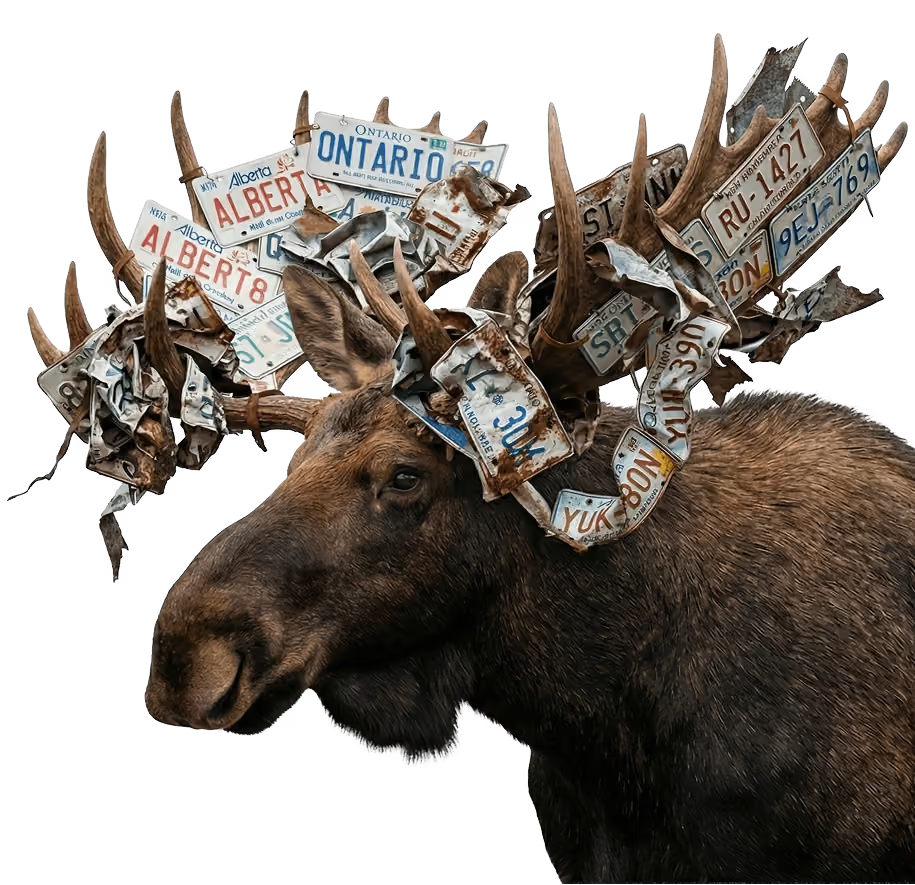
Come for the savings, stay for the questionable insurance jokes


© 2026 InsureLine. All rights reserved.