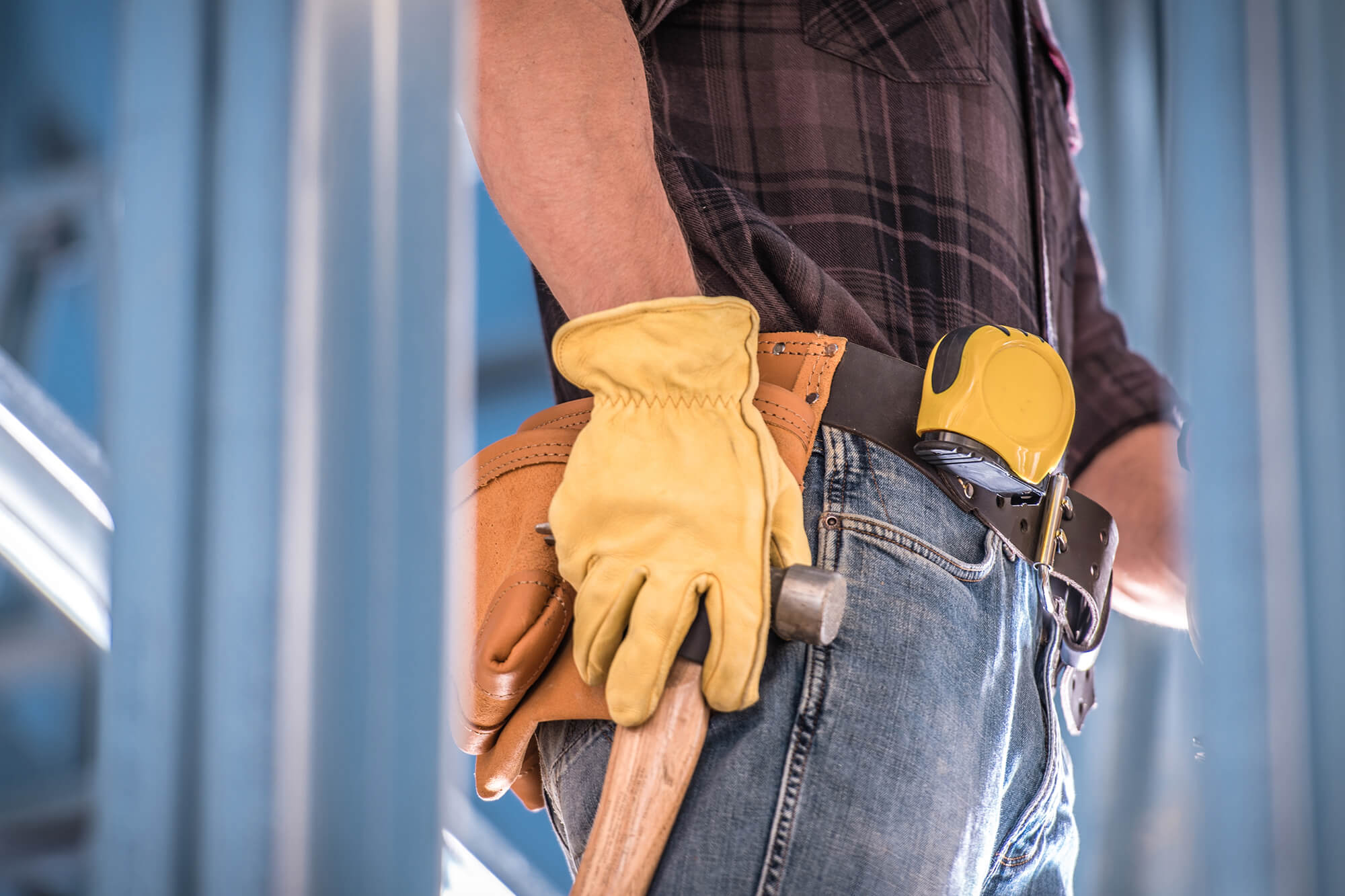

Working in construction or the skilled trades means operating in environments where the potential for accidents, injuries, and property damage is part of the job.
Even the most safety-conscious sites deal with equipment malfunctions, unpredictable conditions, and the reality that people get hurt. For trades like electrical, roofing, plumbing, carpentry, and welding, that risk is amplified by the nature of the work itself.
Having the right insurance in place means that when something goes wrong, it doesn't take your business down with it.
An InsureLine broker can look at your specific trade, the types of projects you take on, and the size of your operation to figure out exactly what coverage you need.
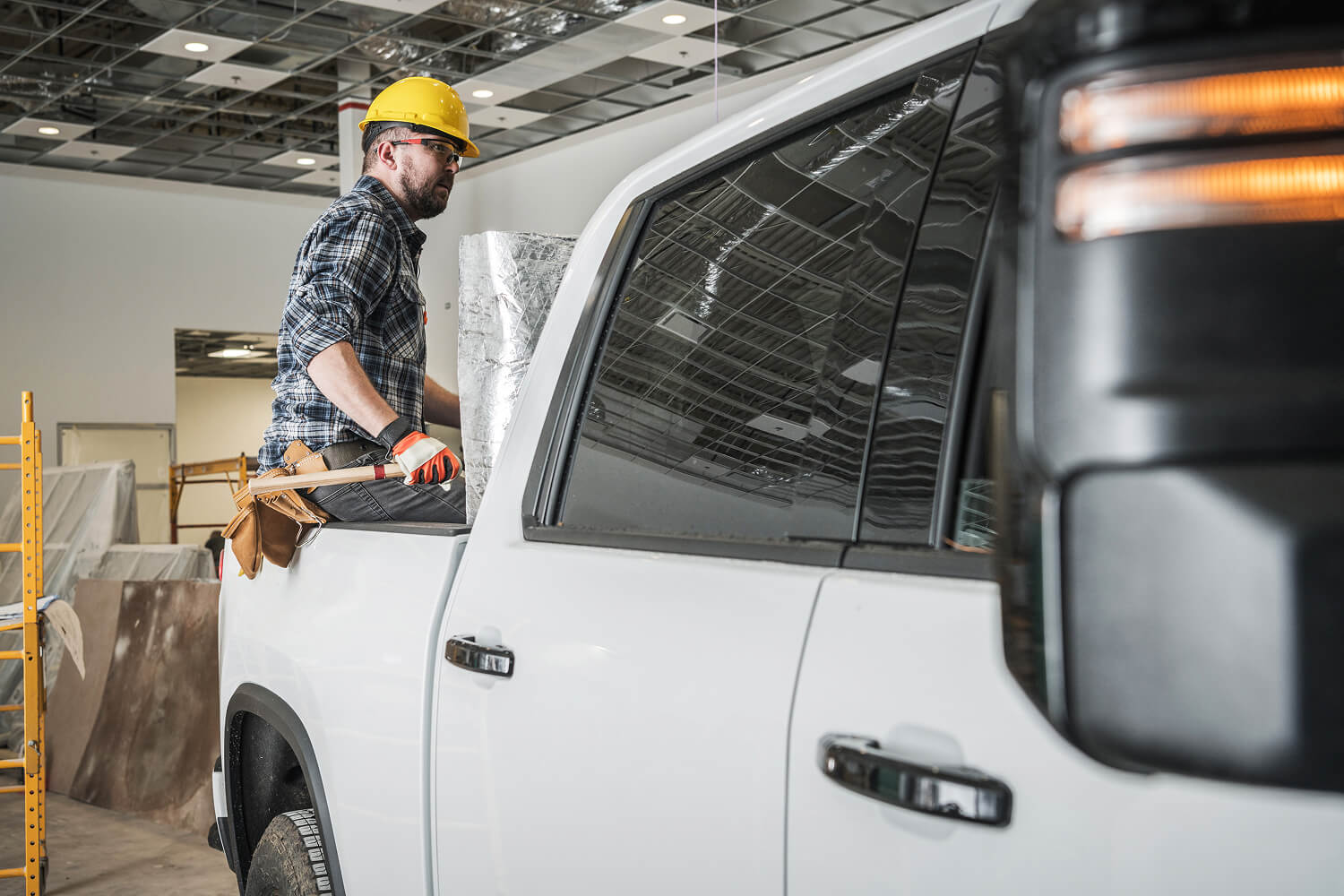
It is often a condition of getting hired in the first place.
Many project owners, property managers, and general contractors require proof of valid liability insurance before awarding a contract or allowing work to begin on their property. Some contracts specify minimum coverage limits, additional insured requirements, or specific policy types that must be in place. Coming to a job without the right documentation can mean losing the contract.
An InsureLine broker can help you understand what your contracts require and make sure your coverage certificates are ready when you need them.

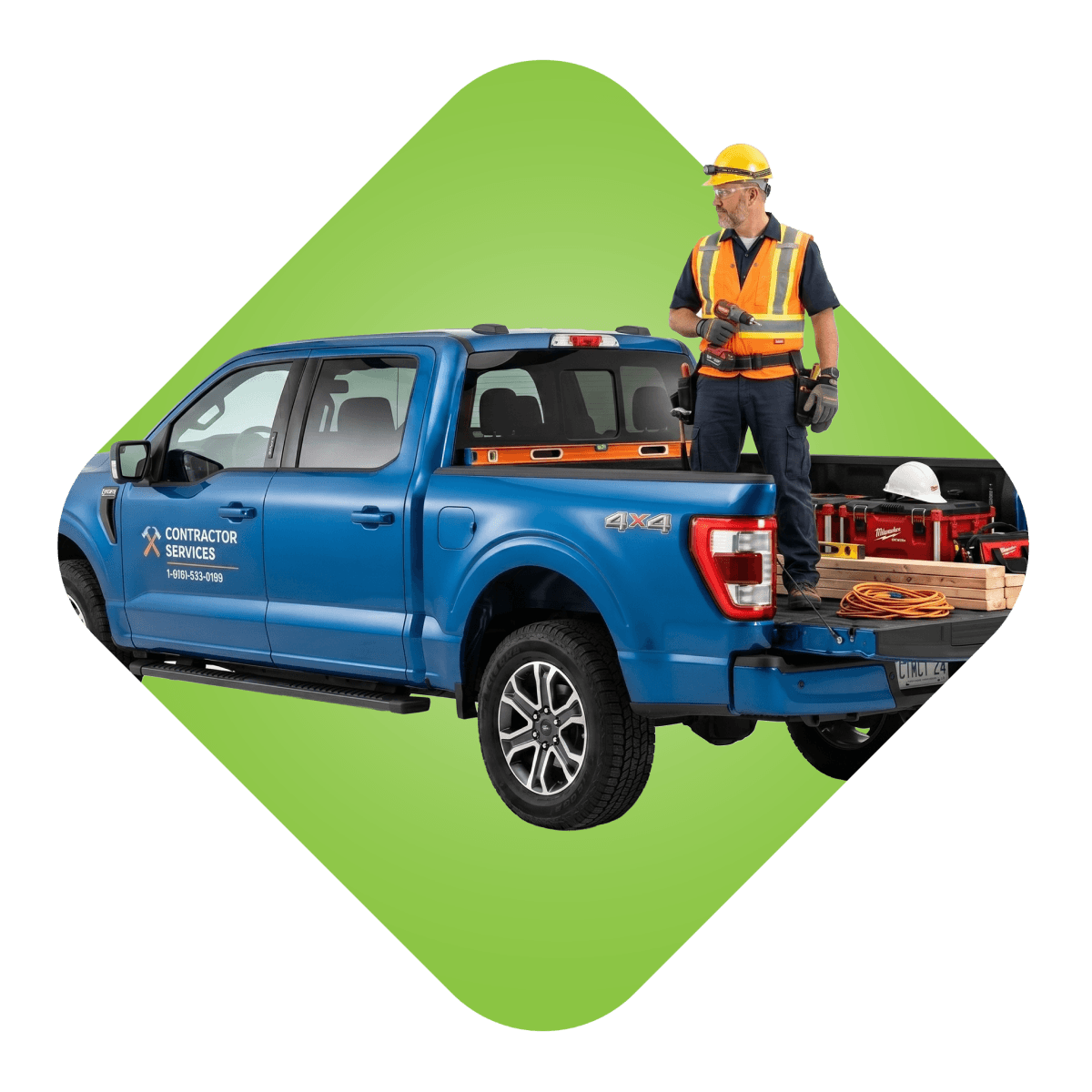
Your contractor insurance policy covers you and your full-time employees. It does not automatically extend to subcontractors you bring in to complete portions of a project. If a subcontractor causes damage or injury on your job site and they are not insured, the liability could fall back on you as the general contractor.
The safest approach is to require all subcontractors to carry their own liability insurance and confirm coverage before they set foot on your site. An InsureLine broker can help you understand how your policy handles subcontractor exposure and whether any adjustments need to be made based on how frequently you engage outside trades.
Contractors insurance is not a single policy but a package of coverage built around the specific risks of your trade and how you operate. The core components include:
Business general liability: The foundation of any contractor's insurance program. Covers third-party bodily injury and property damage arising from your work. Whether that's a client tripping over your equipment, accidental damage to a customer's property, or an injury to a bystander near your work site. Most clients and general contractors require proof of CGL before any work begins.
Tools and equipment coverage: Covers your tools, equipment, and machinery against theft, loss, and accidental damage. Equipment theft is a serious and consistent problem for Canadian tradespeople. In Ontario alone, an estimated $15 to $20 million worth of construction equipment is stolen every year. For tradespeople who move between job sites regularly, this coverage is one of the most practical on the list.
Builder's risk: Also known as construction liability insurance. This covers a building or structure under construction against damage or loss during the project. It protects the work in progress: materials, labour, and the partially completed structure, until the project reaches completion. Who carries this policy varies by contract, so it is worth confirming at the start of every project if you’ll need a policy.
Completed operations: Covers claims that arise after a job is finished. If a client discovers a problem with your work after you have left the site, a leak, a wiring issue, a structural concern, and holds you responsible for the resulting damage, completed operations coverage is what responds. Many contractors don't know they carry this exposure long after a project wraps up.
Business auto: Covers vehicles used for business purposes: transporting tools, materials, and workers between job sites. A personal auto policy does not cover a vehicle being used commercially, and a gap here can result in a denied claim at exactly the wrong moment.
Installation floater: Covers materials and equipment in transit to a job site or during the installation process, before they become a permanent part of the structure and fall under the builder's risk policy.
Come for the savings, stay for the questionable insurance jokes


© 2026 InsureLine. All rights reserved.