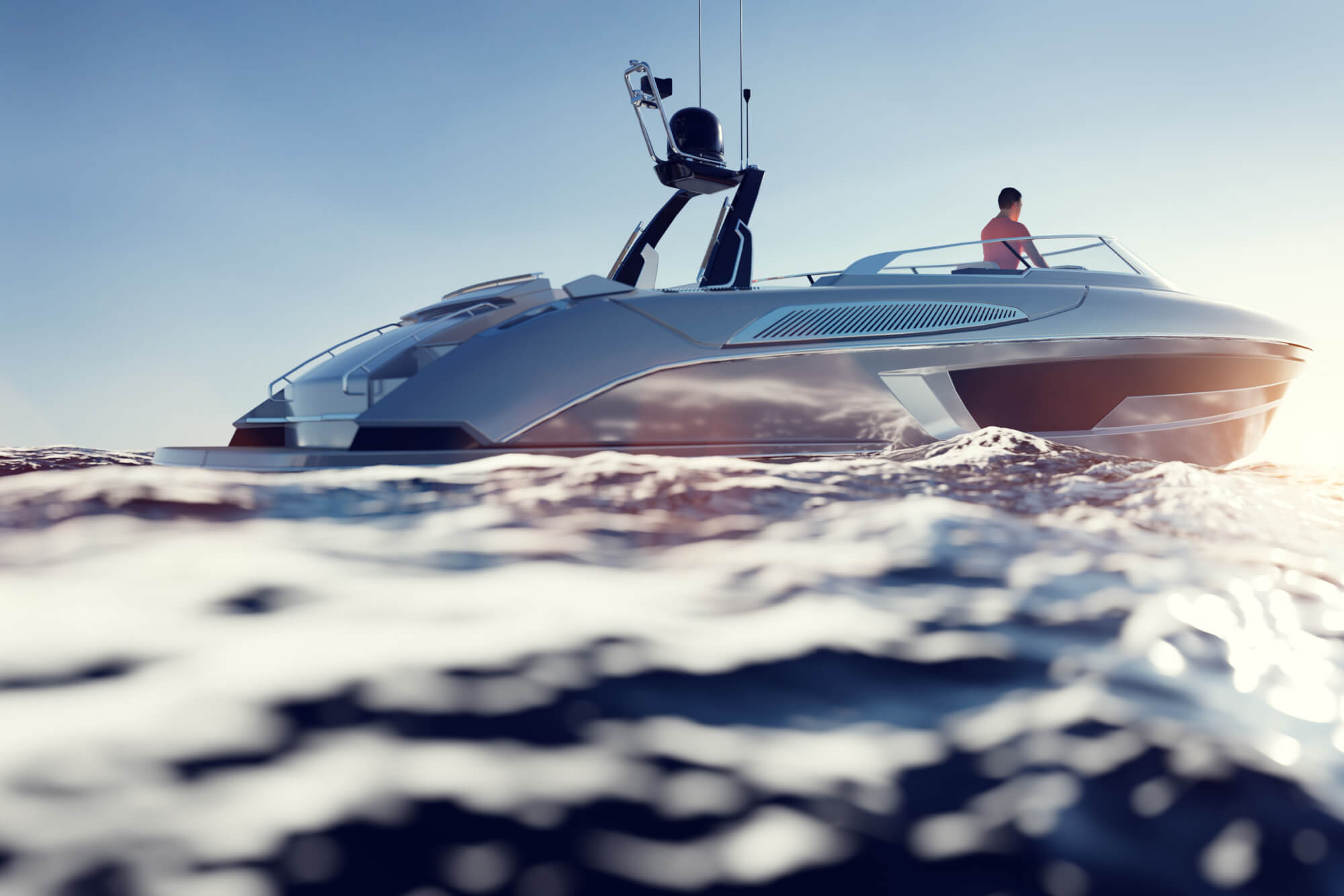

Unlike auto insurance, boat insurance is not technically required by law in most Canadian provinces.
BUT WAIT, before you go hitting the full throttle, you should very seriously consider covering your board. And in fact depending on how you use it or where you store it, you may have to get a policy to accommodate those arrangements.
Most marinas will require proof of insurance before allowing you to dock or store your vessel on their property. If your boat is financed, your lender will almost certainly require coverage as a condition of the loan. And beyond those practical requirements, the financial exposure of going uninsured on the water. For accidents, liability claims, theft, or environmental damage,is significant enough that most boat owners consider coverage a straightforward decision.

Accidents on the water can be serious Whether it's a minor scrape or a major collision, incidents on the water can get expensive fast. Without adequate coverage, the financial impact of an accident can be significant.
What boat insurance actually covers A good marine policy covers more situations than most people expect, including:
Coverage for all types of watercraft From sailboats and powerboats to personal watercraft and yachts, InsureLine has access to competitive rates and premium coverage options across the full range of vessels.
Make sure your coverage matches your risk The right policy covers you for both minor and major incidents, so an unexpected day on the water doesn't turn into a long-term financial problem.

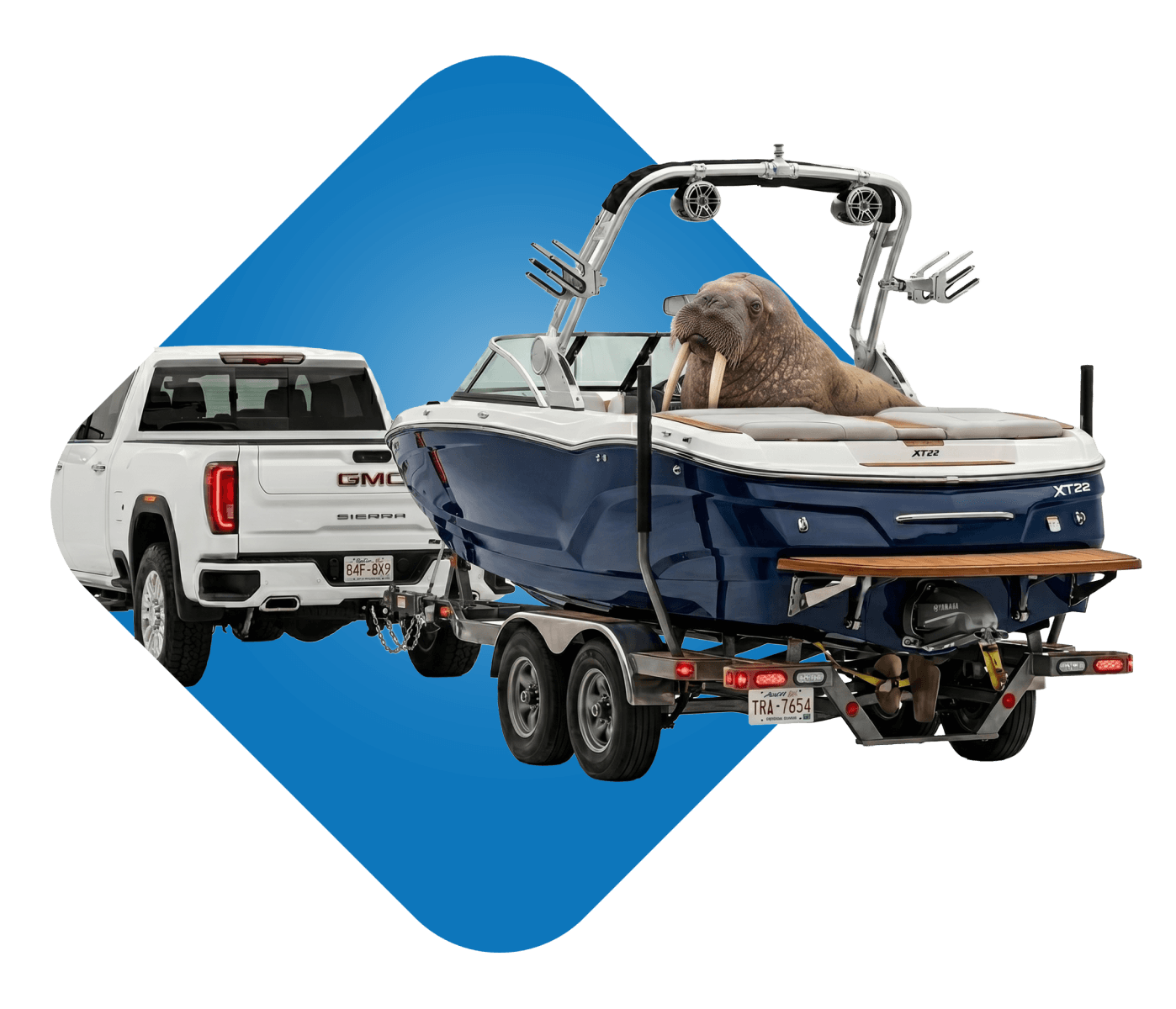
Most standard boat insurance policies in Canada cover you in Canadian waters and often US waters as well, but coverage doesn't extend indefinitely. Policies typically have defined navigational limits, and venturing outside those boundaries without the appropriate extension can leave you without coverage.
If you plan to take your vessel into US coastal waters, the Great Lakes, or farther afield, ask your InsureLine broker about navigational extensions before you go. It's a straightforward add-on that's easy to miss until you actually need it.

Fuel and oil spills from leaking vessels can trigger environmental contamination claims that are serious in both scope and cost.
A standard home insurance policy will not cover environmental contamination losses related to a boat. A dedicated marine policy can include this protection, and for any boat owner who keeps fuel on board, it's worth making sure it's in place. An InsureLine broker can confirm whether your policy covers this exposure or whether it needs to be added.
In practice, risks like theft, fire, vandalism, and weather damage don't take a winter break, and many marina storage agreements require proof of insurance year-round as a condition of keeping your vessel on their property.
Keeping at least physical damage coverage in place during storage is standard practice, and the cost is typically modest. Talk to your InsureLine broker about how to structure your policy so you're covered in storage without paying for coverage you don't need during the off-season.
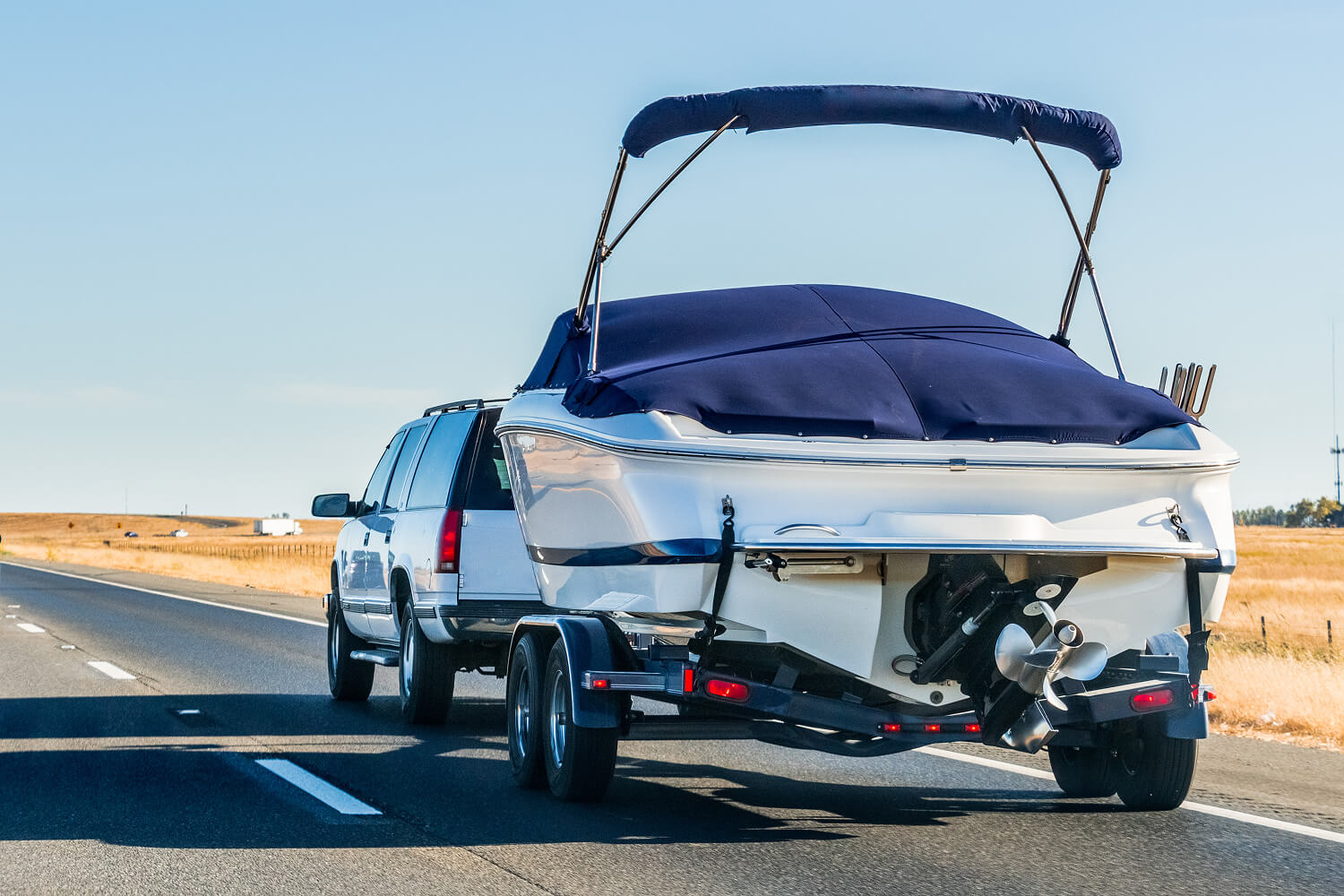
Completing a recognized boating safety course can actually reduce your insurance premium. Courses offered by organizations such as the Canadian Power and Sail Squadrons are well-regarded by insurers.
Beyond the financial benefit, the knowledge gained through a proper boating course is genuinely useful on the water. If you’re a newer boat owner or haven’t taken a course in a while, it’s worth looking into, both for your safety and for what it can do for your rate.
A boat insurance policy typically pulls from several coverage areas, each addressing a different type of risk:
Physical damage (property coverage): Covers repair or replacement costs for your boat, motor, and attached equipment if they're damaged by collision, theft, fire, vandalism, or weather. This applies both on the water and while the boat is docked, in storage, or being transported.
Third-party liability: Covers legal fees, medical expenses, and compensation costs if you injure someone or damage another person's property while operating your vessel. Given how quickly liability claims can escalate on the water, most insurance professionals recommend a minimum of $1,000,000 in liability coverage.
Medical payments: Covers medical expenses for you and your passengers if someone is injured in a boating accident, regardless of fault.
Wreck removal: If your boat sinks or is damaged beyond use, wreck removal coverage pays the cost of raising, removing, or destroying the vessel when required by law or necessary for safety. Without it, these costs fall entirely on the owner. And in many jurisdictions you can be fined for every day that your wreck is left unrecovered.
Emergency towing: Covers the cost of on-water towing if your vessel breaks down and needs to be brought back to shore or to a repair facility.
Agreed value coverage: Similar to classic car insurance, it means you and your insurer establish the vessel's value upfront. If it’s ever written off or stolen, you receive that agreed amount rather than a depreciated cash value.
Personal effects: Covers personal belongings on board, such as clothing, fishing gear, and electronics, if they're stolen or damaged during a covered event.
Come for the savings, stay for the questionable insurance jokes


© 2026 InsureLine. All rights reserved.